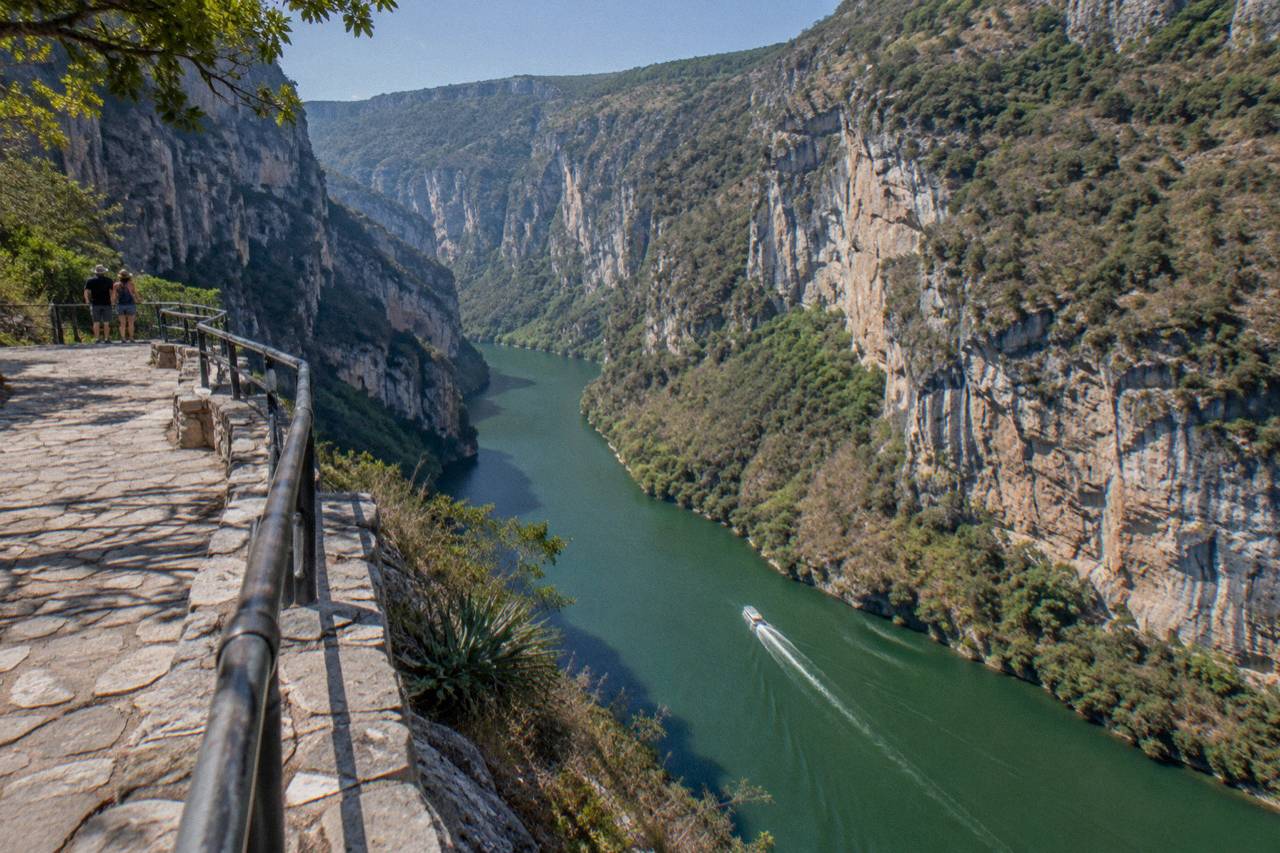
Best Time To Visit Sumidero Canyon: Dry Season, Rainy Season And Busy Months
Boats run up the Grijalva every day of the year, so there is no month when Sumidero Canyon is closed. What changes is the river, the waterfalls, the heat and the crowds. Here is how the seasons actually differ.
Short answer
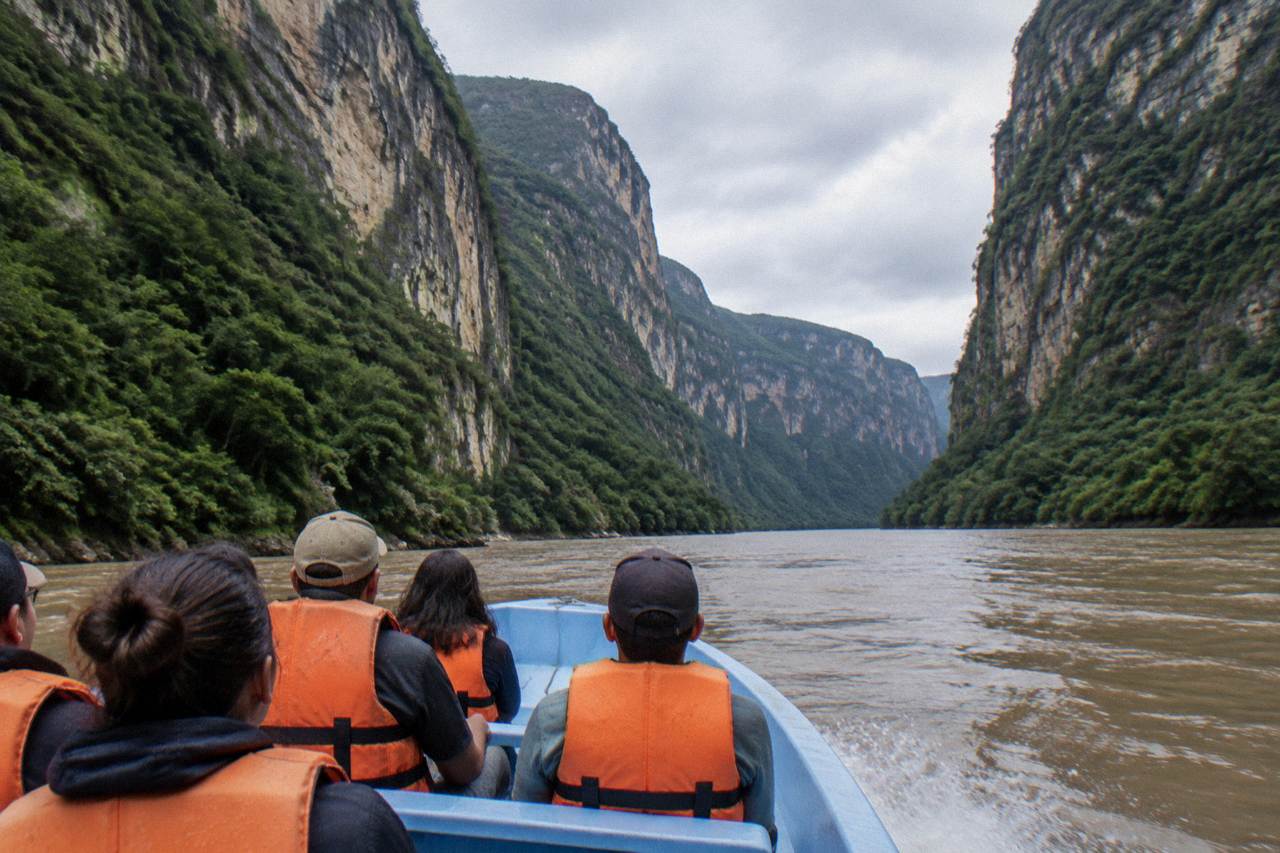
The best time to visit Sumidero Canyon is the dry season, roughly November to April, when skies are stable and the river runs clearer. The rainy season, May to mid-October, brings greener walls and stronger waterfalls but reported boat cancellations. Boats run daily all year from 8:00 to 17:00; the miradores road closes Tuesdays.
The Grijalva River does not take a season off. Boats leave the Chiapa de Corzo embarcadero every day of the year, from the dry, cool mornings of January to the heavy afternoon rains of September, and the national park's gates keep the same hours, 8:00 to 17:00, in every month. What changes through the year is everything else: the color of the water, whether the Árbol de Navidad waterfall is a roaring column or a wet streak of moss, how hot the viewpoint road gets by noon, and how many other boats share the canyon with you. The canyon's walls keep their scale no matter the season, and this comparison of how Sumidero Canyon stacks up against the Grand Canyon explains why that question shapes how you experience the boat ride.
That is why timing a Sumidero Canyon trip is less about "open or closed" and more about which trade-off you want. The dry season, roughly November to April, is the period guides and local reports describe as the most stable. The rainy season, which the national weather service places from May to mid-October with peaks in June and September, turns the walls green and the waterfalls loud but carries the risk, reported in local coverage, of suspended departures. This guide walks through both, with the official Tuxtla Gutiérrez climate numbers, so you can pick the month that matches what you came for.
When Is The Best Time To Visit Sumidero Canyon?
The best time to visit Sumidero Canyon is the dry season, roughly November to April, when Tuxtla Gutiérrez records its lowest rainfall, from 1.0 to 16.7 mm per month, and conditions for the boat ride are described as most stable. The rainy season, May to mid-October, is greener and more dramatic, with the waterfalls at their strongest, but local reports describe preventive cancellations at the embarcaderos when the river runs high. If Sumidero is just one stop on a longer route, our month by month breakdown of the best time to visit Chiapas can help you time the rest of the trip.
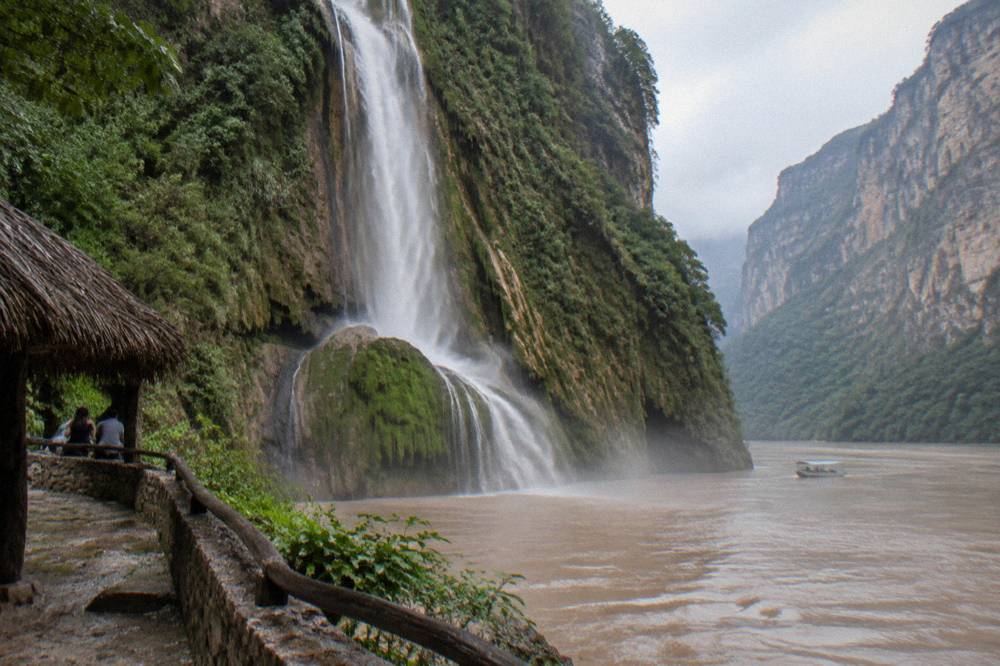
Those two sentences hide a real choice, because the rains are not a reason to stay away. In the wet months the canyon walls, which are commonly cited at over 1,000 m, carry seasonal waterfalls that simply do not exist in February, and the vegetation on the cliffs goes from dusty green to saturated. The Árbol de Navidad, the moss formation shaped like a Christmas tree that every boat ride passes, is described in visitor accounts as capable of soaking boats in the rains and reduced to a trickle in winter, though the limestone and moss structure stays visible year round. Nobody can promise you a river color or a waterfall flow on any given day; the cooperatives and the park both treat those as day-to-day conditions.
What the dry season reliably buys you is schedule certainty. Rainfall in Tuxtla falls from 77 mm in October to 16.7 mm in November and bottoms out between 1.0 and 2.6 mm from December through February, per the CONAGUA climate normals for the Tuxtla Gutiérrez station, 1991 to 2020. The chance that a departure is pulled for high water or poor visibility drops with those numbers. What it costs you is the waterfalls and some of the drama, plus the busiest boats of the year, since dry season is high season at the park, which local reporting says receives roughly 500,000 to 800,000 visitors a year.
A good middle path, if your dates allow it, is the shoulder: late October into November, and April. You catch the tail or the leading edge of the rains, so the walls are still green and the Árbol de Navidad still carries water, but the monthly totals, 77 mm in October and 9.7 mm in April against 216.6 mm in August, are a fraction of the peak. Early November also sits before the deepest dry-season crowds. The trade is weather variance: a late tropical system can still reach Chiapas in October, since the Atlantic hurricane season runs to 30 November.
| Period | Months | Rain in Tuxtla (monthly) | What it means on the water | Main trade-off |
|---|---|---|---|---|
| Dry season | Nov to Apr | 1.0 to 16.7 mm | Stable, described as clearer river | Fewer waterfalls, most crowds |
| Early rains | May to Jun | 88.5 to 211.1 mm | Walls greening, waterfalls building | Afternoon storms begin |
| Peak rains | Jun to Sep | 164.5 to 216.6 mm | Strongest waterfall flow | Reported cancellations possible |
| Shoulder | Oct, Apr | 9.7 to 77 mm | Green walls, fading rains | Weather less predictable |
If you are already leaning toward a date, the trip picker on Sumidero Canyon Tours compares the day trips that run in every season side by side, including the boat-plus-viewpoints format that most first-time visitors choose.
What Is The Weather Like In Tuxtla And The Canyon Month By Month?
Tuxtla Gutiérrez, the city the canyon sits beside, is hot all year: normal daily maximums run from 29.5 C in January to 35.9 C in April, per CONAGUA's 1991 to 2020 climate normals. Rain is the real seasonal marker, from under 3 mm a month in the December-to-February window to 211.1 mm in June and 216.6 mm in August.
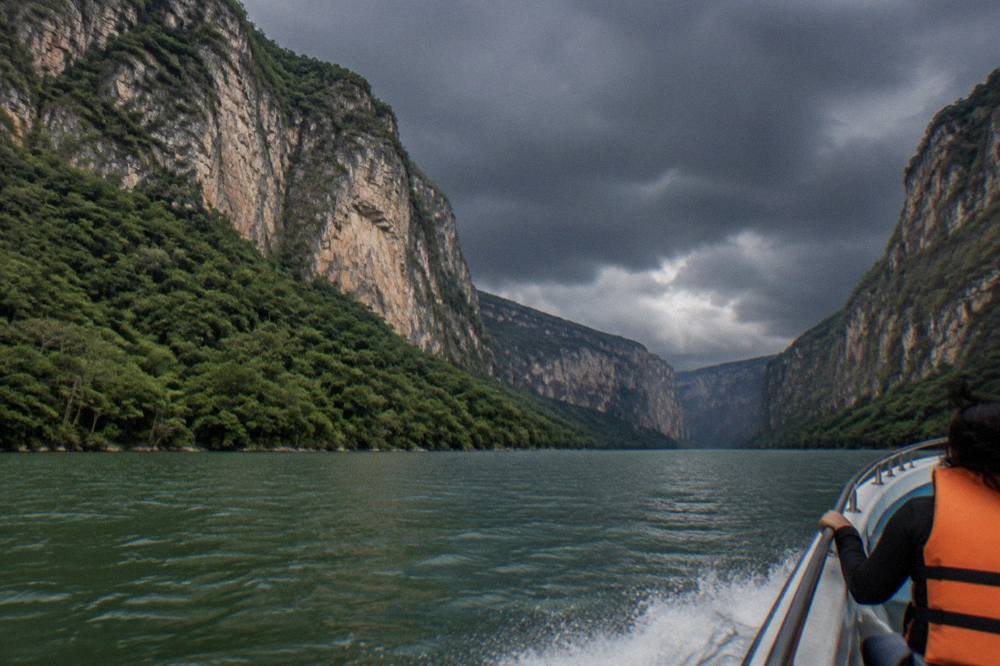
The canyon sits at the edge of that climate, and the boat ride itself feels several degrees cooler than the Tuxtla streets, thanks to wind from the moving boat and the shade of walls that in places rise close to a kilometer or more. But the numbers that should drive your packing and your timing are the station normals, because Tuxtla is where almost every day trip starts or passes through, and the miradores road above the canyon has no shade to speak of.
Two patterns matter. First, the heat builds ahead of the rain: April, at 35.9 C normal maximum and only 9.7 mm of rain, is arguably the toughest month to stand at a viewpoint at midday, hotter on paper than June or July. Second, the rains concentrate violently: May jumps from April's 9.7 mm to 88.5 mm, then June through September all sit between 164.5 and 216.6 mm, delivered mostly in afternoon and evening downpours rather than all-day drizzle. Mornings, even in the wet season, are frequently workable, which is why the early departures are the ones local guides recommend.
| Month | Normal max temp (C) | Rain (mm) | Rainy days | Read on it |
|---|---|---|---|---|
| January | 29.5 | 1.0 | 0.8 | Coolest, driest, high season |
| February | 31.8 | 1.8 | 0.5 | Dry, warming |
| March | 33.9 | 2.6 | 0.6 | Hot and dry |
| April | 35.9 | 9.7 | 1.9 | Hottest month on paper |
| May | 35.4 | 88.5 | 9.1 | Rains begin in earnest |
| June | 32.8 | 211.1 | 17.7 | Peak rains, greenest walls |
| July | 32.4 | 164.5 | 16.6 | Wet, slightly drier than June |
| August | 32.4 | 216.6 | 16.7 | Wettest month by volume |
| September | 31.6 | 208.7 | 18.4 | Most rainy days, storms possible |
| October | 30.7 | 77.0 | 10.0 | Rains easing |
| November | 29.6 | 16.7 | 3.0 | Dry season returns |
| December | 29.5 | 2.6 | 1.2 | Dry, cool, busy holidays |

The official normals are published by the national meteorological service at CONAGUA's SMN climate normals page, and the park's own hours and rules are on the CONANP page for Cañón del Sumidero National Park.
Whatever month you pick, the boat ride runs from the Chiapa de Corzo dock up to the Chicoasén dam wall and back, about two hours on the water, and the same departure pattern applies year round: shared boats leave from 8:00 with the last full-trip departure around 14:00, per the cooperative reporting.
How Does The Rainy Season Change The Canyon Boat Ride?
From May to mid-October the Grijalva carries more water, the walls run with seasonal waterfalls and the landscape reads greener, but operators cannot promise departures: rainy-season navigation restrictions and cancellations at the embarcaderos are reported in local coverage, and the boat cooperatives decide day by day. Wildlife is still described along the route in the wet months, with no official counts.
The rainy season's case is visual. Visitor accounts and local guides describe the canyon in the wet months as more dramatic: more water coming over the rim, the Velo de Novia and Árbol de Navidad falls carrying real volume, the river running with more sediment. The Árbol de Navidad in particular is described as soaking passing boats at its rainy-season peak, which in the dry months becomes a slow drip down the same moss structure. If the waterfalls are why you are going, June through September is when the listings and local reports say they perform.
The case against is operational. Reports from 2025 and 2026 describe preventive restrictions and cancellations at Cahuaré and the other embarcaderos when conditions demand it, framed by operators as safety measures, not routine. That means a rainy-season booking carries a real, if unquantified, chance of a shortened or moved departure. Most guided day trips list free cancellation, so the financial risk is low, but the calendar risk is yours to hold. Confirm conditions on arrival rather than trusting any promise of river state, and check the seasonal detail in our dedicated rainy-season walkthrough at Sumidero Canyon in the rainy season.
For a wet-season trip from the highlands, the Jalapeño full day from San Cristobal, the most-reviewed listing on this site at 4.6 from 268 reviews, runs its 8 to 9 hour circuit, van, viewpoints, a shared boat ride of about 1 hour and 45 minutes, and free time in Chiapa de Corzo, from $85 per person with entrance and national park fees listed as included. Its free-cancellation terms matter more in September than in February.
One planning note that matters more than the rain: the miradores road, the land route to the five official viewpoints above the canyon, is closed to vehicles every Tuesday year round, wet or dry. If your only free day in Chiapas is a Tuesday, your day trip needs to be a boat-and-Chiapa de Corzo format without the viewpoints leg, or a different day.
When Is Dry Season Best For Sumidero Canyon Photography And Wildlife?
Dry season, November to April, is the period local guides describe as best for photography and wildlife viewing: stable morning light on the walls, fewer boats, and the river at its most settled. Mornings before about 9:00 are repeatedly recommended for light and animal activity. No source can promise a crocodile, monkey or bird sighting on any date.
Photographically, the dry season gives you two things. First, predictability: with under 20 mm of rain across the whole December-to-February window, the odds of a washed-out morning are at their yearly floor. Second, light: morning departures put low sun on the eastern walls, and local guides consistently flag the 7:30 to 9:00 window as the one with the best light and the fewest competing boats. The trade is the water itself, which in the dry months is described as lower and clearer rather than dramatic, and the waterfall line that goes quiet.
Wildlife reporting follows the same rhythm. American crocodiles, spider monkeys and birds including herons, cormorants, pelicans and vultures are all described along the ride, with no official population counts. Profepa has released rescued river crocodiles into the park, the latest step in a crocodile conservation story that makes the population a live one rather than a static number. In the dry season, animals are reported to congregate around the remaining water, which guides say concentrates sightings along the banks. In the rains, the same animals spread out along the high water. Neither season comes with a guarantee, and no tour on this site offers one.
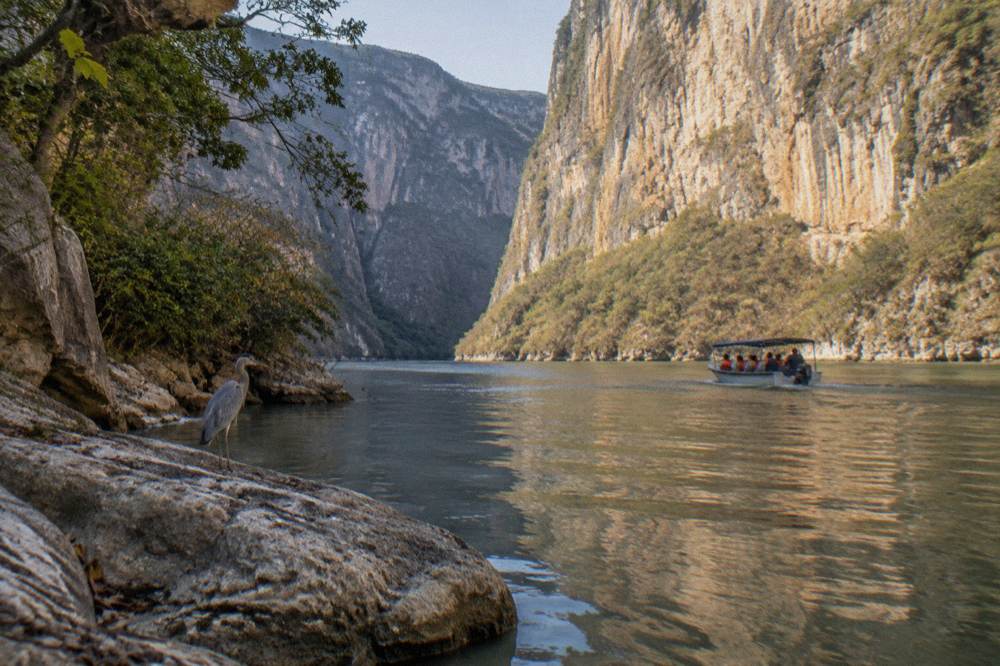
The practical photography package is the same in any season: a morning boat, a telephoto lens for wildlife, and a wide lens for the dam wall at the turnaround. Drones, it should be said, are prohibited in the park in every month; the rules are laid out in Sumidero Canyon photography and drone rules. If morning light is your priority, the hour-by-hour argument is in best time of day for the boat ride.
When Are The Busiest Months At The National Park?
The busy months at Sumidero Canyon are the dry season, November to April, plus the late-December and Easter holiday peaks, when local coverage describes full boats and crowded viewpoints; the rainy months of June through September see the fewest visitors. Arriving for the first departures around 8:00 is the standard advice for beating crowds in high season.
The park's own visitor base is enormous, roughly 500,000 to 800,000 people a year per local reporting, and it is not evenly spread. Christmas and New Year, Easter week and the whole February-to-March stretch concentrate Mexican domestic travel; the embarcaderos are described at those times as running boats back to back from opening. The miradores road, a single scenic route out of Tuxtla, jams at the same peaks, which is one reason the guided day trips that time the viewpoints stop in the morning, before the road fills, run a smoother day.
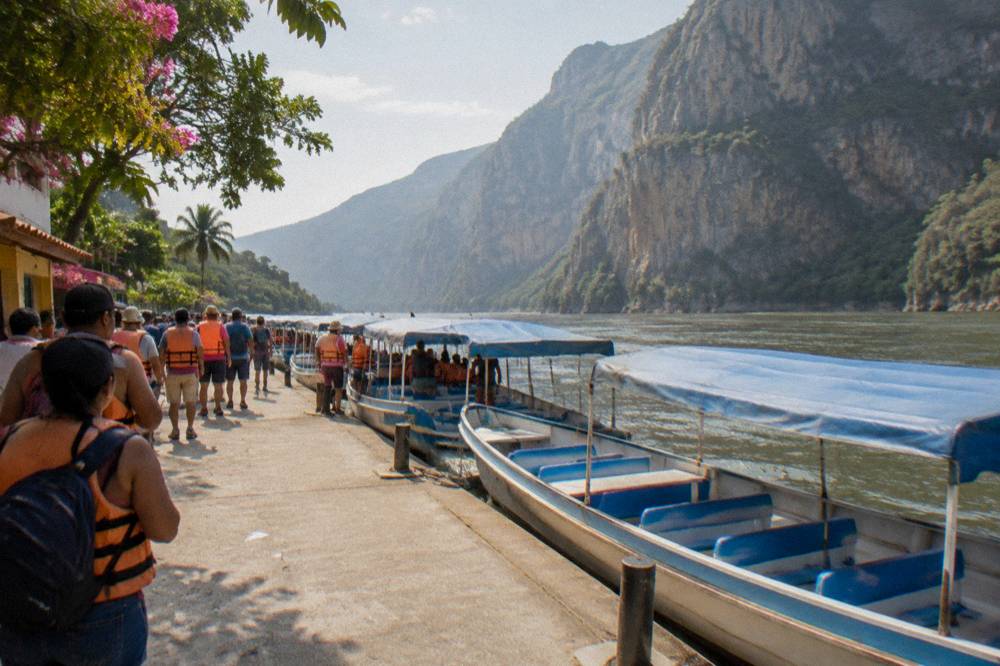
There is a crowd sweet spot that also happens to be a weather sweet spot: November and early December. The rains have just ended, the walls are still green from five wet months, the December holiday wave has not started, and the station normals show 16.7 mm and 2.6 mm of rain respectively. Late September into October is similarly quiet on visitors, though you carry storm-season risk, covered below.
A booking note on crowds: shared boats leave when full, so in low season you may wait longer at the dock for a boat to fill, while in peak season the boats cycle fast but everything else queues. A guided day trip with a reserved slot sidesteps both problems, which is one of the quieter arguments for booking rather than arriving independent.
What About Hurricanes And River Levels At Sumidero Canyon?
Chiapas sits inside two hurricane seasons per NOAA: the Atlantic basin from 1 June to 30 November and the Eastern Pacific from 15 May to 30 November. Tropical systems overlapping the June-to-October rains can push debris and high water into the Grijalva and trigger preventive tour suspensions, which are reported, never scheduled; boats otherwise run all year behind the Chicoasén dam.
The dam at the canyon's northern end, Presa Manuel Moreno Torres, is what makes year-round navigation possible at all: it holds the reservoir that keeps the canyon section of the Grijalva floatable in the driest months. That same system is managed actively. 2026 reporting describes continuous removal of floating debris and water hyacinth from the reservoir, about 900,000 cubic meters of sediment dredged across 2025, and more than 2,393 tons of floating solid waste cleared from the canyon system in 2026 as of early October. The dam has also been reported near full capacity under rain vigilance during the wet months. For a visitor, the practical translation is simple: the river you ride is managed, monitored and sometimes messy, and its state on your day is a local question, not a seasonal guarantee.
Storm season should shape your plans only if you are traveling in September or October, the months when the normals show the most rainy days, 18.4 in September, and when Pacific and Atlantic systems are both live. A direct strike on Chiapas is rare, but heavy rain inland raises the river, and the reported cancellations cluster in exactly these months. Build a flex day into a September itinerary and treat any boat booking that week as provisional; most listings carry free cancellation, which is the right insurance.
If a wet-season window is when you can travel, a Tuxtla-based day trip shortens your exposure, since the drive from Tuxtla to the embarcadero is minutes rather than the roughly hour-long haul from San Cristobal each way. The EcoExperiencias national park full-day tour from Tuxtla, 3.9 from 36 reviews, from $83 per person, lists hotel pickup and the park admission fee included, with a maximum of 10 travelers.
Which Tours Run In Which Season From San Cristobal And Tuxtla?
No listing on this site is marketed as seasonal; several state they are subject to favorable weather, with a new date or full refund if canceled. What changes by month is the experience each delivers: viewpoint-heavy days pay off most in the dry season's clear mornings, waterfall-focused riders prefer June to September, and rainy-season travelers should weight free-cancellation terms and short transfers more heavily than in February.
The distinction matters because the formats differ. A day built around the miradores, the high road stops above the canyon, depends on visibility and is best bought in the dry months, and remember the Tuesday closure kills the viewpoints leg regardless of season. A day built around the boat ride and Chiapa de Corzo town works in any weather the cooperatives allow. And the budget end of the tours, several listings from $40 to $52 per person, trades frills like hotel pickup for price, which in the rains means standing at a meeting point such as Portal 9 in San Cristobal in a shower; travelers who hate that idea should pay for the pickup tier.
| Listing (departure city) | Price from | Rating and reviews | Duration | Season notes |
|---|---|---|---|---|
| Jalapeño full day, San Cristobal (lists Spanish and English, Spanish-speaking driver, no guide) | $85 per person | 4.6, 268 reviews | 8-9 hours | All year; viewpoints leg closed Tuesdays |
| OTISA budget day, San Cristobal | $46 per person | 4.6, 104 reviews | 9 hours | Spanish-language service; dry-season queues at meeting point |
| Apasionado Tuxtla views day, Tuxtla | $53 per person | 4.7, 175 reviews | 9-10 hours | Longest day; best in short-rain months |
| EcoExperiencias park full day, Tuxtla | $83 per person | 3.9, 36 reviews | 7 hours | Small group, 10 max; hotel pickup listed |
| Selva Azul premium boat day, San Cristobal | $155 per person | 4.6, 136 reviews | 8 hours | Hotel pickup; 90-minute boat; rain-friendly |
| Ecoexperiencias boat and viewpoints, San Cristobal | $79 per person | 4.0, 73 reviews | 8 hours | Professional guide and pickup listed |
For most readers timing a first trip, the boat-ride-and-viewpoints day from San Cristobal at $79 per person, 4 from 73 reviews, with hotel pickup, driver, professional guide and national park fees listed as included, is the format that absorbs seasonal variance best: the pickup removes the wet meeting point, the guide adjusts commentary to conditions, and the listing's structure, two hours in the park plus time in Chiapa de Corzo, works under sun or cloud. Note that this listing offers weather-based rebooking or refund rather than general free cancellation. Check availability on the Sumidero Canyon boat ride and viewpoints day or Check availability on the operator's live listing.
The rainy-season counterweight from the other departure city, if you would rather watch waterfalls than viewpoints, is the Tuxtla full-day circuit at 4.7 from 175 reviews, which spends three hours in the canyon system and finishes with a two-hour mirador stop, flexible enough that a weather swap mid-day is survivable.
Should You Time Your Trip Around Fiesta Grande In Chiapa De Corzo?
Fiesta Grande de Enero in Chiapa de Corzo, with its Parachicos dances, ran 4 to 23 January in 2026, with dates set each year, and it is the one calendar event that can beat any weather argument: the town fills, boats fill, and the cultural payoff is unlike anything else in Chiapas. For visitors who do not care, mid-January crowds are a reason to go elsewhere.
January is otherwise the calmest weather month on the board, 1 mm of rain and a 29.5 C normal maximum, which makes the fiesta a genuine decision point. Stay for the Parachicos and you get a festival with deep local roots layered on top of the driest, coolest canyon conditions of the year. Skip it and you should book boats and rooms early anyway, because fiesta visitors fill the embarcadero queue; the full date list and what to expect are in Fiesta Grande and the Parachicos of Chiapa de Corzo.
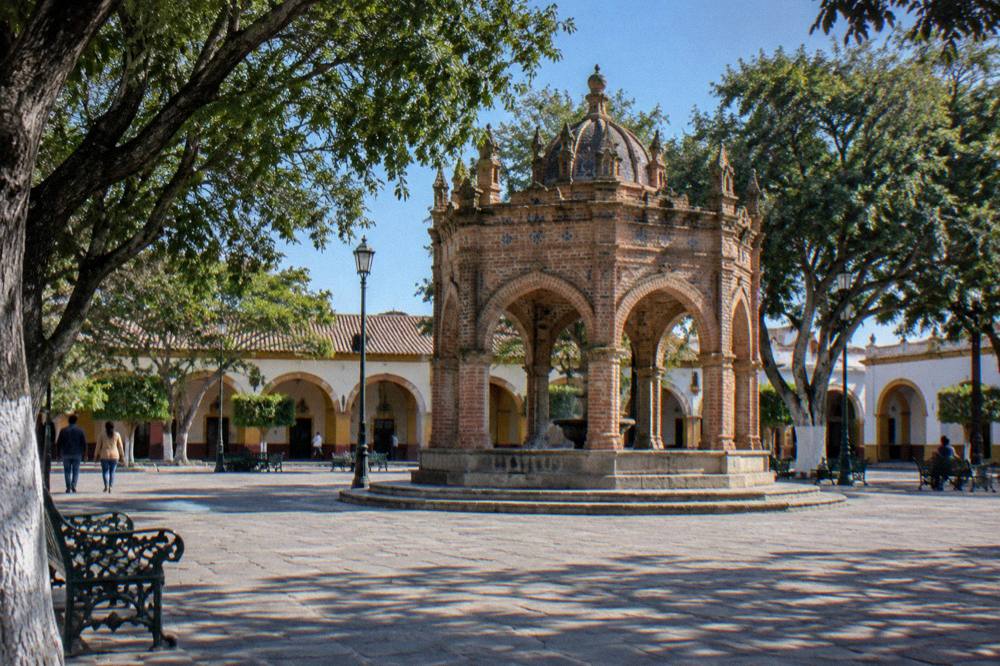
Beyond January, the other calendar markers are Easter week, which lands in the dry-season peak and multiplies crowds at both the dock and the viewpoints, and the November-to-December shoulder already described, which pairs the year's best river color-odds with modest crowds. There is no bad month for the town itself: Chiapa de Corzo's plaza, the 1562 La Pila fountain and the riverside embarcadero are open daily, and a day trip's free hour in town, typical across these tours' itineraries, is pleasant in any season.
The one genuinely wrong answer is a Tuesday in any month, if viewpoints matter to you, because the road is closed and no tour operator can change that. Boat rides still run on Tuesdays, since water access is daily; only the land side sleeps. Plan around that fixed closure before you plan around the weather, because the weather you can hedge with a cancellation policy and the closure you cannot.
| If you want... | Book in... | Why | Watch out for |
|---|---|---|---|
| Clearest river, stable plans | Dec to Mar | 0.5 to 2.6 mm monthly rain | Peak crowds, quiet waterfalls |
| Waterfalls at full flow | Jun to Sep | Rains feed Árbol de Navidad and Velo de Novia | Reported cancellations, storms |
| Fewest other visitors | Sep to Oct, weekdays | Post-peak, pre-holiday | Storm season runs to 30 Nov |
| Fiesta Grande culture | 4 to 23 Jan | Parachicos calendar | Crowds and early booking needed |
| Best overall odds | Nov, or Apr | Green walls, low rain | Shoulder weather varies |
Common Questions About The Best Time To Visit Sumidero Canyon
When Is The Best Time To Visit Sumidero Canyon?
The dry season, roughly November to April, is described as the most stable window, with Tuxtla rainfall under 17 mm a month and cooler mornings. Rainy season, May to mid-October, brings green walls and strong waterfalls but reported boat cancellations. Boats run daily all year.
Does The Canyon Close In The Rainy Season?
No. Water access is every day, 8:00 to 17:00. The only fixed closure is the miradores road, shut to land traffic every Tuesday year round. In heavy rain, the cooperatives can suspend or shorten departures for safety, which local reports describe as preventive rather than seasonal.
Which Month Has The Most Rain At Sumidero Canyon?
August, with 216.6 mm in the Tuxtla Gutiérrez normals from 1991 to 2020, followed closely by June at 211.1 mm and September at 208.7 mm. September has the most rainy days, 18.4 on average. December through February all record under 3 mm.
Is The Árbol De Navidad Waterfall Flowing All Year?
The limestone and moss formation is visible year round, but the flow is seasonal: strongest in the rainy months, when it is described as soaking passing boats, and reduced to a trickle in the dry season. No operator can promise a given flow level on a given day.
When Is Hurricane Season In Chiapas?
NOAA places the Atlantic basin season from 1 June to 30 November and the Eastern Pacific season from 15 May to 30 November. Storm influence on the canyon overlaps the June-to-October rains and is one reason travelers in September and October should keep flexible plans.
What Is The Busiest Time At The Canyon?
The dry season overall, with sharp peaks over Christmas and New Year and Easter week. First departures around 8:00 are the standard way to beat the crowds, and booking a guided day trip with a reserved slot avoids the shared-boat queue in high season.