Is Sumidero Canyon Worth It?
A verdict on Sumidero Canyon: what the boat ride actually delivers, what it costs in pesos, the real downsides, and who should skip it.
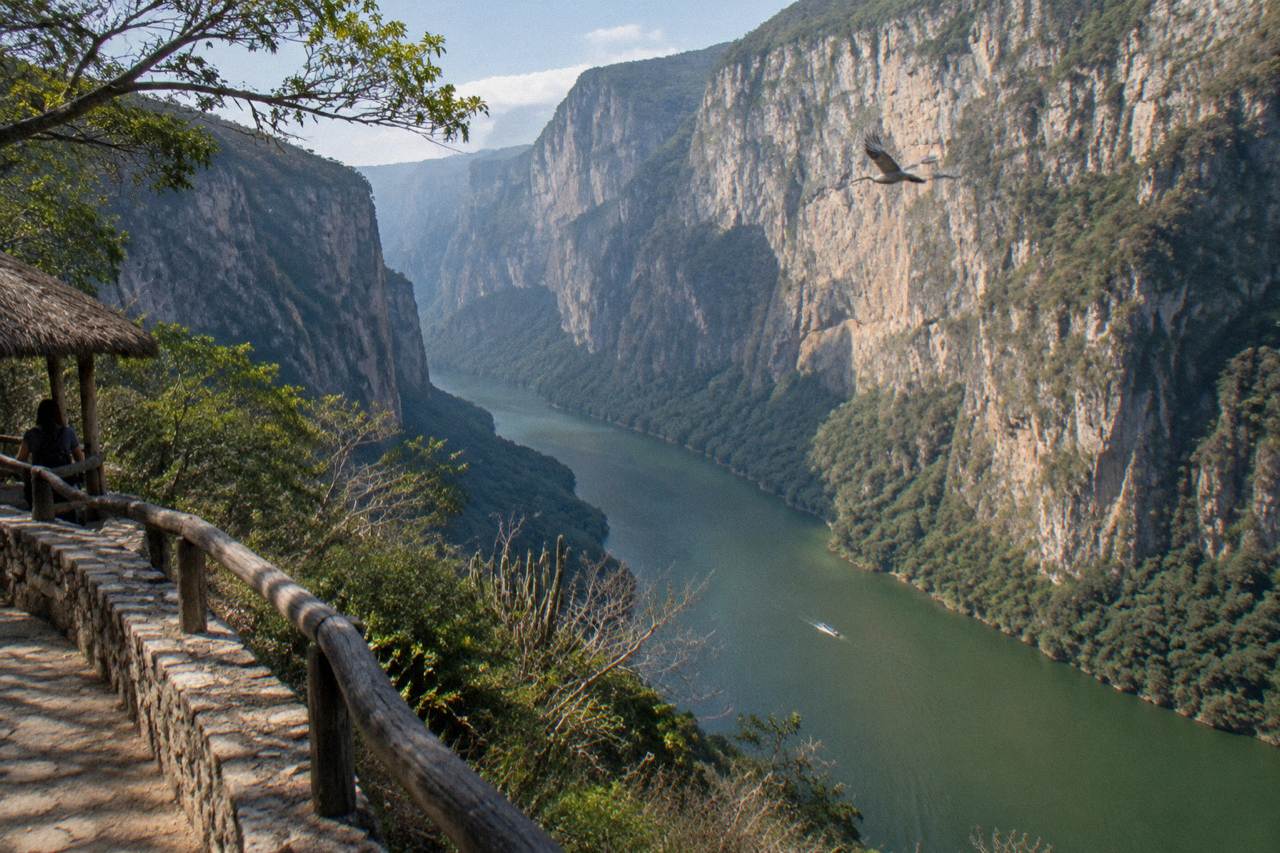
Yes, for most visitors the canyon earns a full day: the boat ride runs about two hours on the water past walls commonly cited above 1,000 meters, and the direct cost is modest, 460 MXN for a foreign visitor on the shared boat plus the 125 MXN park fee. The caveats are equally real. Shared boats leave when full, the route is fixed, high season brings crowds, rainy-season suspensions happen, and the clean-up is ongoing, with more than 2,393 tons of floating waste removed in 2026. The verdict depends on which of those weighs more for you. To see how this boat day fits into a bigger itinerary, our guide to whether Chiapas is worth visiting covers safety, budgets, and the rest of the state's highlights.
That is the short version. The longer version looks at what the ride actually gives you, what it costs in total once fees and transfers are counted, the cons that most promotional copy leaves out, and the specific traveler profiles for whom the canyon is a clear yes or an easy skip. The figures below draw on the park fee from the federal park authority CONANP, the boat fares from the 2026 cooperative fares reported in Chiapas news, and the tour listings on this site.
The canyon is the anchor sight of central Chiapas for a reason. Parque Nacional Cañón del Sumidero was decreed on 8 December 1980 and covers 21,789.41 hectares, according to the federal park authority, CONANP. The navigable section of the Grijalva River runs roughly 30 to 33 kilometers from the Chiapa de Corzo area up to the Chicoasén dam wall, and nearly every visitor experiences it the same way: a shared lancha, a life jacket, and a fixed route past caves, seasonal waterfalls and cliff walls. Whether that formula is worth your day is the question this page answers with numbers rather than superlatives.
If you already know you want the full day and are deciding between listings, three cover the spread: the feature trip below, the budget fare, and the Tuxtla departure.
What The Boat Ride Actually Gives You
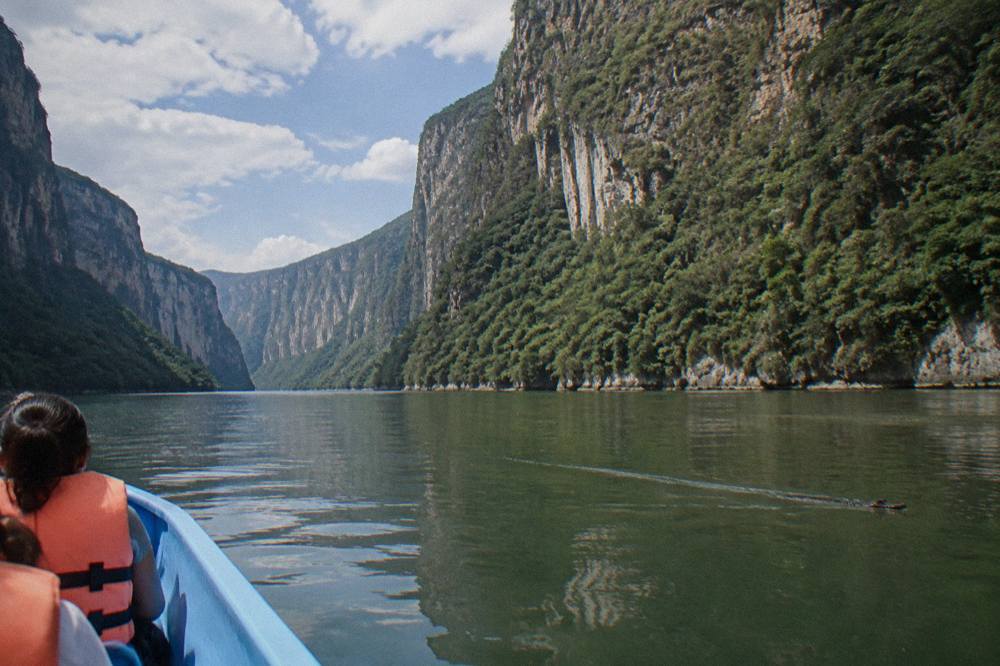
The core product is a roughly two-hour round trip on the Grijalva from the Chiapa de Corzo embarcadero to the Chicoasén dam wall and back, aboard a shared boat with a mandatory life jacket, on a fixed route with named stops. The park authority and news reports agree on the duration. Stops named along the way include the Belisario Domínguez bridge, the Caballito de Mar rock, the river bend shaped like the Chiapas coat of arms, Cueva de Colores with its shrine, and the Velo de Novia and Árbol de Navidad waterfalls. That is the whole show, and for most riders it is a good one.
The walls are the headline. Heights are commonly cited above 1,000 meters above the riverbed, with one 2026 source giving about 1,200 meters at the El Roblar viewpoint, and the canyon is only 1 to 2 kilometers wide in stretches, narrowing to around 200 meters in places. The rock is limestone laid down as marine sediment in the Upper Mesozoic, roughly 80 to 136 million years ago, eroded along a tectonic fault. A commonly cited depth figure for the river exceeds 250 meters, though it is an older figure and is labeled as such here. What that means in practice: you sit at the bottom of a fault-built gorge whose walls are taller than anything else you will see on a Chiapas road trip.
Wildlife is reported but never promised. American crocodiles, spider monkeys and birds including herons, cormorants, pelicans and vultures are all reported along the ride, and no official population counts exist. Profepa, the federal environmental prosecutor, released 13 rescued river crocodiles into the park in a recent operation, which speaks to a real and managed crocodile presence in the water. Still, sightings vary with the hour, the season and the boat's luck. Early departures are widely reported as better for both fauna activity and light on the walls, and the embarcadero ticket window opens at 8:00, with the last full trip leaving around 14:00, later trips running shorter.
The Árbol de Navidad, a moss-covered limestone formation shaped like a Christmas tree, is the ride's signature sight, and it is seasonal in its drama. In the rainy season the waterfall flowing over it strengthens and can soak passing boats; in the dry season it can reduce to a trickle, though the structure itself stays visible year-round. If your mental image of the canyon is a drenched cascade, calibrate it to the season you are traveling in.
A note on what the ride is not. It is not a wilderness paddle, not a flexible route, and not private unless you pay for a private boat. The cooperatives run a shuttle-like operation: shared boats fill, depart, and repeat. That efficiency is exactly why the fare is low, and exactly why the experience can feel packaged. The double crossing kayak experience, from $89 per person with a 5 rating from just 2 reviews, exists for travelers who want the canyon under their own paddle, and it is a genuinely different product.
What The Canyon Costs In Total
A foreign visitor going independently pays 460 MXN for the shared boat plus the 125 MXN CONANP park entry fee, and then whatever the transfer to the dock costs, while a guided day from San Cristobal runs from $40 to $155 per person with fees usually bundled. The park fee and the boat fare are two separate charges, a distinction 2026 reporting makes clear, and conflating them is the most common error in visitor budgets. The 125 MXN daily fee is charged by the park authority per person per day; the boat fare goes to the lancha cooperatives.
The 2026 cooperative fares, which rose by 5 pesos on the previous year and can change without notice: 460 MXN for foreign visitors, 400 MXN for Mexican nationals, 340 MXN for older adults with an INAPAM credential and for children, and 290 MXN for children under 2. There are discounts on the park fee too: complete exemptions for older adults, pensioners, people with disabilities and children under 12 with credential, 75 percent off for students and teachers with credential, and 50 percent off for Mexican nationals and foreign residents with official ID. A foreign tourist without those credentials pays the full 125 MXN.
| Cost item | 2026 figure | Who sets it |
|---|---|---|
| Park entry, full rate | 125 MXN per person per day | CONANP |
| Shared boat, foreign visitor | 460 MXN | Lancha cooperatives |
| Shared boat, Mexican national | 400 MXN | Lancha cooperatives |
| Shared boat, children and INAPAM | 340 MXN | Lancha cooperatives |
| Children under 2 | 290 MXN | Lancha cooperatives |
| Guided day from San Cristobal | from $40 to $155 per person | Tour operators |
Guided days change the arithmetic. The cheapest shared day on this site is the Selva Azul budget boat day from San Cristobal at from $40 per person, rated 4.0 from 80 reviews, and most mid-range days cluster between roughly $45 and $90. At the top end, the Selva Azul Chiapas premium boat tour with hotel pickup runs from $155 per person, rated 4.6 from 136 reviews. Many of these listings state that park fees are included, which removes the separate 125 MXN charge at the gate, but each listing states its own inclusions and the line should be checked per trip rather than assumed.
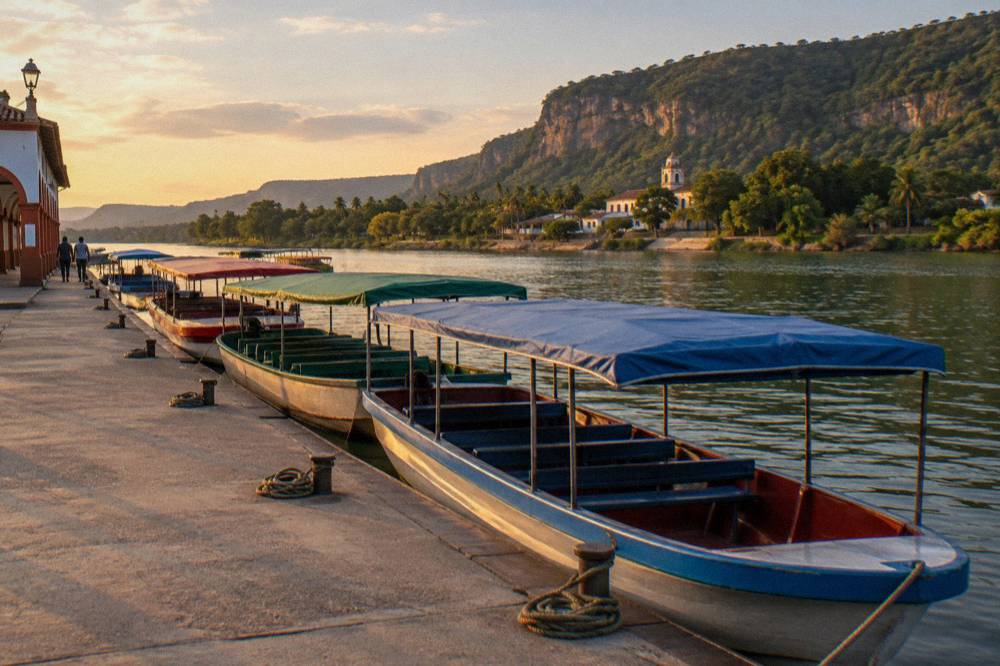
The transfer is the hidden line. San Cristobal to the docks is about an hour by road, reported, and going independently means a bus or colectivo toward Tuxtla and then onward to Chiapa de Corzo. That is manageable, but it consumes the same morning a guided day would, without the certainty. This is the case for the guided day trips: they exist mainly to solve the transfer. The feature trip on this page, the Jalapeño full day from San Cristobal, is the most reviewed listing on this site at 4.6 from 268 reviews, from $85 per person, 8 to 9 hours, with the park fee included and free cancellation. You can compare it on its full day trip listing page or read the wider San Cristobal departure guide.
The Cons Nobody Puts On The Brochure
The cons are these: boats are shared and locked to fixed routes, dry-season crowds fill them up, rainy-season conditions suspend service, litter clean-up work is plainly visible along the way, and the ride itself runs short for a full day of travel. None of these is a reason to skip the canyon for a typical visitor, but each one changes the answer for a specific kind of traveler, so they deserve to be stated plainly rather than buried in fine print.
Shared boats leave when full. You queue at the embarcadero with everyone else, wait for the boat to fill, and ride with up to a boatload of strangers on a route the captain runs many times a day. The commentary, where it exists, comes from the captain and is usually in Spanish. Travelers wanting depth commentary or a language other than Spanish should filter listings for a bilingual guide, like the OTISA tour with an English guide at from $86 per person, rated 4.5 from 15 reviews, or a private option. Crowds follow the same logic: dry season, November to April, is high season, and mid-morning boats carry the most passengers. Other pages covering the same trip are gathered on Sumidero Canyon Tours.
The route is fixed. Every boat travels the same corridor to the dam wall and back, stops at the same named points, and turns around. There is no exploring, no detour, no choosing your own pace. For photographers this matters: your compositions are set by the route and the light of your departure time. The best time of day guide covers the morning-versus-afternoon trade-off in detail, but the short version is that early light favors the walls.
Rain and waste are the two environmental caveats. Rainy season, roughly May to mid-October with peaks in June and September per the national weather service, brings higher river flow, more seasonal waterfalls and greener walls, but also possible navigation restrictions and preventive suspensions at the embarcaderos, which 2025 and 2026 reports describe as real and safety-driven. And the clean-up is ongoing: more than 2,393 tons of floating solid waste were removed from the canyon system in 2026 as of early October, alongside roughly 900,000 cubic meters of dredging in the Chicoasén reservoir in 2025. Some rides see little of this; others pass debris lines after storms. The park receives roughly 500,000 to 800,000 visitors a year, and that scale shows.
Who The Canyon Is Clearly Worth It For
The canyon is clearly worth it for travelers based in San Cristobal or Tuxtla who have a spare day, for anyone who prizes dramatic landscape and geology over museums and markets, and for those planning to pair the canyon with Chiapa de Corzo in a single loop. For these visitors, the answer is an unqualified yes. The value case holds for three broad groups, and the strongest version of it rests on the ratio: unusual landscape scale, modest peso cost, and one contained day of logistics. Three traveler profiles below get the clearest return.
For the highlight-reel traveler, the canyon is the single most concentrated dose of scale in central Chiapas. Walls above 1,000 meters, a river run between them, caves and a seasonal waterfall, plus a colonial-era town at the departure dock: that is a full and varied day from one booking. The feature Jalapeño day packs viewpoints, a canyon walk and 75 minutes in Chiapa de Corzo into 8 to 9 hours. Travelers arriving by air should also know the Tuxtla options start fast: the Jalapeño tour that begins at Tuxtla airport, from $130 per person, rated 4.2 from 8 reviews, reaches the canyon and can finish in San Cristobal, effectively making the transfer the tour. The airport transfer guide covers that play in full.
For photographers, the canyon rewards planning more than spending. The fixed route means your variables are season, hour and weather, all covered in the site's photography and drone rules guide, but one rule from the park authority dominates: drones are prohibited inside the park, full stop. If aerial footage is the goal, the canyon is not the place. Ground-level frames of the walls, the Árbol de Navidad and the Cueva de Colores, shot from an early boat in dry season, are what the conditions support.
For the budget traveler, the canyon is one of the better value days in Mexico. Even at full foreign pricing, the boat fare plus the park fee plus a colectivo is a modest outlay for two hours on the water, and the budget guided days undercut most independent math once transfer time is priced in. The OTISA budget fare from San Cristobal, from $46 per person, rated 4.6 from 104 reviews, is the strongest cheap full day on this site with park fees included. Read the budget fare details before committing to the independent route, because the fee lines decide which is actually cheaper.
Who Should Skip The Canyon
Skip the canyon if you have less than a full day to give, if fixed-group boat rides at scale feel like a production line to you, or if your Chiapas trip is built around quiet, low-density nature rather than a headline sight. The canyon is a couple of hours of experience inside a full day of logistics from San Cristobal, and travelers who resent that ratio will resent the day. That is a legitimate preference, not a fault in the canyon or in you.
The time-poor case is the clearest. A day trip from San Cristobal runs 6 to 10 hours door to door, and the two hours on the water is the only part that cannot be compressed. If your itinerary already carries Palenque, the Montebello lakes and the waterfalls, and you are choosing one cut, the canyon loses less of its value by being cut than Palenque does. Travelers weighing that trade should read the site's how many days in Chiapas breakdown before deciding.
The temperament case matters just as much. The canyon is a mass product: shared boats, queues, a fixed script, and high-season crowds from a visitor base of hundreds of thousands a year. Nobody seeking wilderness quiet gets it here, and the mandatory rules, life jackets worn, hands out of the water, no drones, no leaving the boats, reinforce the managed nature of the ride. For that traveler, a private charter softens some edges but cannot change the corridor or the traffic. The answer is to spend the day in the highland villages or at a quieter site instead.
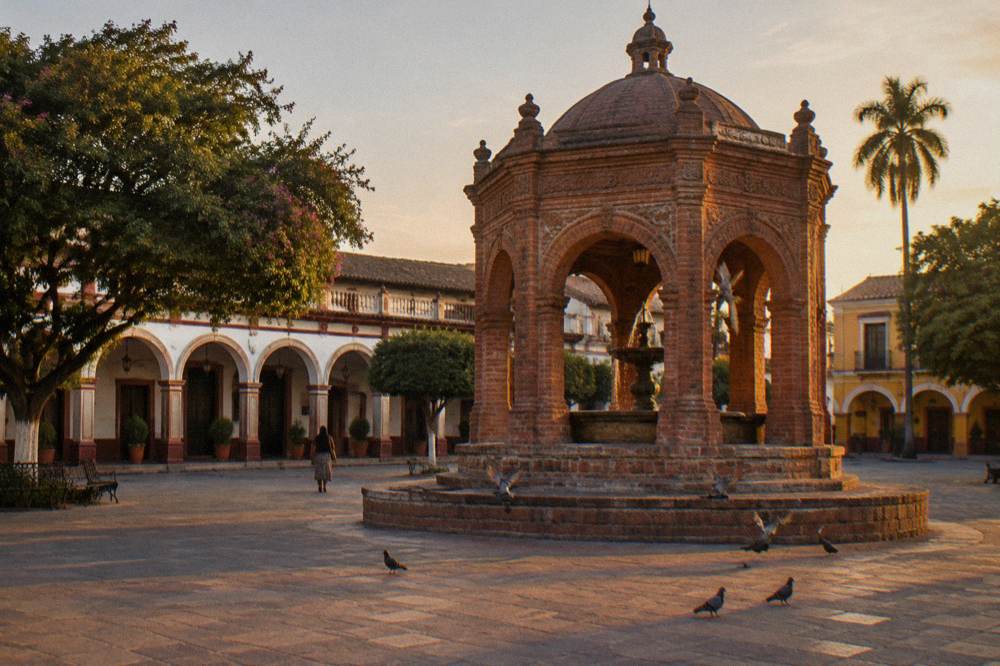
One more skip case worth naming: the traveler who will be in Chiapa de Corzo anyway for the Fiesta Grande in January and assumes the canyon needs separate treatment. The embarcadero sits one to two blocks from the central park, so a two-hour ride can be slotted between festival events without a tour at all. That is the one scenario where the independent route beats every listing on price and time. The what to do in Chiapa de Corzo guide maps the walk.
Season, Weather And Whether The Verdict Changes
Season and weather barely change the verdict, so the overall judgment holds no matter when you go; what shifts is the texture of the visit. November to April delivers stable, clearer conditions, while May to mid-October brings dramatic flow, greener walls, and a real chance of weather-driven suspensions. The boats run all year, which is the first thing to know. What shifts month to month is what you see from the boat and how certain the departure is, and that trade is the last variable in the worth-it calculation.
Dry season is the conservative pick. The national weather service's climate normals for the Tuxtla station show the pattern plainly: monthly rainfall from November through March runs to 1 to 17 mm, against summer months measured in the hundreds of millimeters, with the wettest readings in June and August. Lower river levels in the dry months are widely reported to mean clearer, emerald-tinted water and more reliable landscape visibility. The cost is crowds, thin waterfalls and brown walls without the rainy-season green.
Rainy season is the gamblers' pick. Flow over the Árbol de Navidad strengthens, seasonal waterfalls appear along the walls, and the vegetation is at its most dramatic. Against that: navigation restrictions and preventive suspensions at the embarcaderos are reported in rainy seasons including 2025 and 2026, tropical storm activity overlapping the season can bring debris, and hurricane season in both basins runs into late November, per NOAA's published climatology. The site's rainy season guide covers what to expect and what to do about it.
A practical seasonal note that many visitors miss: the miradores road, the land side of the park with its five viewpoints, is closed on Tuesdays, while boats run every day. A Tuesday arrival still gets the water ride but not the viewpoints, which changes the shape of a day trip and occasionally the verdict for travelers who wanted both. Park hours on both sides run 8:00 to 17:00.
Which Listing To Book If The Answer Is Yes
If the verdict is yes, the listing you should book comes down to three questions: which city you will be starting from, how much you want to pay, and whether perks like hotel pickup and a bilingual guide matter to you. Weigh those three factors against your own priorities and the right choice becomes clear. From San Cristobal the spectrum runs from $40 to $155 per person on this site; from Tuxtla the days are shorter in travel time and often cheaper in pesos; and the private and kayak listings cover the two niches the shared days do not. The trio of listings in the band below spans that whole decision in three clicks: the most reviewed full day, the budget fare, and the well-reviewed Tuxtla day.
The budget question is answered by the OTISA fare from San Cristobal, from $46 per person, rated 4.6 from 104 reviews, a 9-hour day with the boat tour, park fees and Chiapa de Corzo time included. It runs in Spanish with a guide not included, which is the real price of the price.
The comfort question is answered by the premium end. The Selva Azul Chiapas day with hotel pickup and an English guide option on the private tier, from $155 per person, rated 4.6 from 136 reviews, spends a 90-minute boat passage on the canyon plus a viewpoint stop, with the park fee and travel insurance included. It is the listing that most resembles a private day without a private price.
The Tuxtla question is answered by the Apasionado day, from $53 per person, rated 4.7 from 175 reviews, a 9 to 10 hour day that includes canyon time, Chiapa de Corzo and the mirador stop, with hotel reception listed and the option to finish in San Cristobal rather than Tuxtla. That one-way flexibility makes it the strongest listing for travelers flying into Tuxtla and sleeping in the highlands. There is more context in the Tuxtla departure guide.
For the two niches: the private car day from Tuxtla, from $28 per person depending on party size, with no reviews yet, sells the frame rather than the boat, and the boat ticket, roughly 400 to 550 MXN, is paid at the desk. The double crossing kayak, from $89 per person, rated 5 from 2 reviews, is the only rostered way to travel the canyon under your own power. Neither is for everyone, which is precisely the point, and both are detailed in the private charter guide.
The final framing, before the band below: the canyon is worth it because the ratio of scale to cost and effort is unusually good, not because the experience is flawless. A traveler who books an early dry-season boat, accepts the shared format and budgets the two fees correctly gets one of the best-value landscape days in Mexico.
Common Questions About Sumidero Canyon
Does Sumidero Canyon Live Up To The Hype?
For most visitors, yes: about two hours on the water past walls commonly cited above 1,000 meters, for 460 MXN on the shared boat plus the 125 MXN park fee as a foreign visitor, or from $40 per person on a guided day with fees bundled. Skip it only if you lack a full day or actively dislike fixed-route group boats.
How Much Does The Canyon Cost For A Foreign Visitor?
The shared boat fare is 460 MXN and the CONANP park entry fee is a separate 125 MXN per person per day, both paid at the dock before any transfer cost. Guided days from San Cristobal on this site run from $40 to $155 per person, and most state the park fee is included.
How Long Is The Boat Ride?
About two hours round trip, from the Chiapa de Corzo embarcadero up the Grijalva to the Chicoasén dam wall and back. Water access runs daily from 8:00 to 17:00, the official CONANP park hours.
Can The Boat Ride Be Cancelled For Weather?
Yes. Rainy-season navigation restrictions and preventive suspensions at the embarcaderos are reported, and the season runs roughly May to mid-October. Boats operate all year otherwise, and no canyon closures were on record with the park authority as of October 2026, but conditions should be confirmed on arrival.
Will I See Crocodiles And Monkeys?
No sighting can be promised. American crocodiles, spider monkeys and birds including herons and pelicans are reported along the route, and 13 rescued crocodiles were released into the park in a Profepa operation, but sightings vary by hour, season and luck. Early boats are widely reported as the best bet.
Is One Day Enough For The Canyon?
Yes. The standard pattern is one full day: two hours on the water, a viewpoint stop or two where the schedule allows, and an hour or more in Chiapa de Corzo. Guided days from San Cristobal run 6 to 10 hours total, and the embarcadero is walkable from Chiapa de Corzo's central plaza for independent riders.